
Short Overview
ToggleVoice Overview
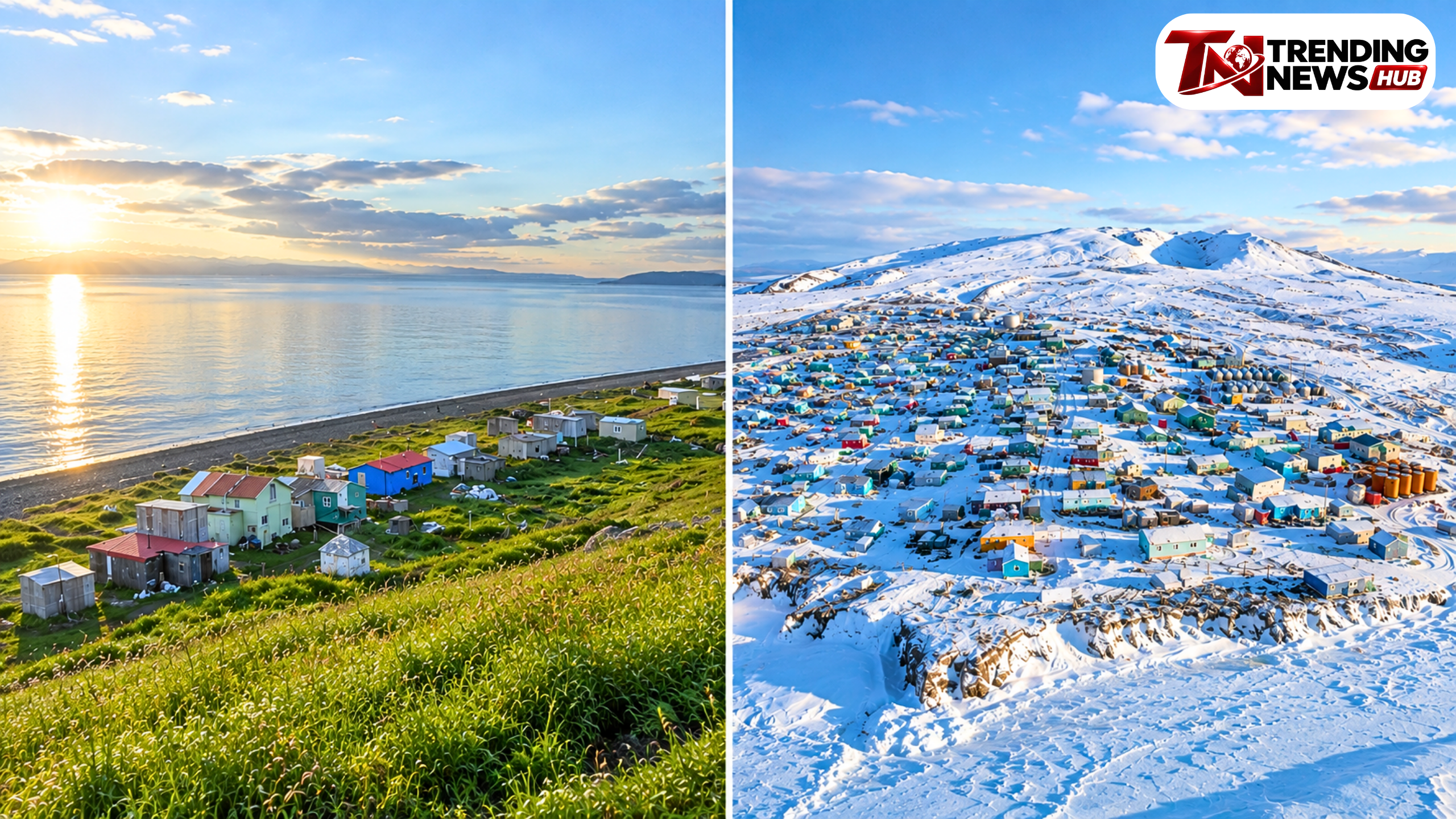
Toksook Bay is a tiny village far away in Alaska near the big cold Bering Sea. About 600 people live here and almost all are Yupik Alaska Native families who hunt fish and share food together. This place is so remote that planes and boats are the only way to get there with no roads connecting it to other towns.
Where Is Toksook Bay Located
Toksook Bay sits on Nelson Island in western Alaska about 115 miles from the town of Bethel. The village faces the Bering Sea and is across the water from Nunivak Island. Local people call this place Nunakauyak which means their real name for it in the Yupik language.
- Nelson Island in the Yukon Kuskokwim Delta
- About 112 miles from Bethel Alaska
- Faces the Bering Sea coastline
- Near Nightmute and Tununak villages
- No roads connect to other towns
The island was named in 1880 after Edward William Nelson who spent five years here as a collector for the Smithsonian Institution. Nelson Island has four villages total with Toksook Bay being one of them. Over 77 percent of the island remains unpopulated wilderness with tundra and coastal bluffs.
How Toksook Bay Was Founded
Toksook Bay started in 1964 when families moved from nearby Nightmute to find a more sheltered location. They wanted to be closer to their spring and summer fishing and hunting camps on the coast. The move made life easier for gathering food from the sea and tundra year round.
- Established in 1964 by Nightmute families
- Moved to be closer to fish camps
- Named after the sheltered bay
- Incorporated as a city in 1972
- First place counted in 2020 census
Yupik people have lived on Nelson Island for thousands of years long before this village existed. The community was chosen as the very first place counted in the 2020 United States census because it is so remote. Census workers started here on January 21 2020 before residents dispersed to their seasonal camps.
Who Lives in Toksook Bay
About 658 people lived in Toksook Bay according to the 2020 census with most being Alaska Native. Nearly all residents are members of the Nunakauyarmiut tribe which means People of Nunakauyaq. The median age is about 25 years with many families having children under 18 living at home.
- Population around 600 to 658 people
- 97 percent Alaska Native Yupik
- Median age about 25 years old
- Most households have children
- Tight knit community bonds
Almost everyone speaks Central Yupik also called Yugtun as their first language at home. English is also spoken but Yupik remains strong and vibrant among children and elders. This makes Toksook Bay one of the most linguistically traditional communities in the United States today.
Video Guide
What Is the Yupik Culture Like
Yupik culture in Toksook Bay blends traditional subsistence living with modern life in unique ways. People respect elders deeply share food widely and tell stories to pass down knowledge. Community gatherings feature traditional drumming dancing and singing called Yuraq that everyone enjoys together.
- Speak Central Yupik language daily
- Respect elders and share food
- Traditional drumming and dancing
- Grass basket weaving artisans
- Storyknifing by young girls
Families work together throughout the year to hunt fish and gather food from the land. Children learn traditional skills like sewing cutting fish and identifying plants from their grandparents. The village is known for skilled artisans who weave intricate grass baskets passed down through generations.
How Do People Get Food Here
People in Toksook Bay follow a subsistence lifestyle meaning they hunt fish and gather their own food. There are no restaurants in the village so most meals come from home cooking or the school cafeteria. Traditional foods include seal fish bird eggs berries and akutaq which is Yupik ice cream made with berries and fat.
- Hunt seal and fish for meals
- Pick berries on the tundra
- Make akutaq Eskimo ice cream
- Dry and smoke fish for winter
- Share food with the whole village
Fish is the cornerstone of the local diet with dried fish and smoked salmon eaten daily. Herring halibut and other fish are prepared frozen raw boiled or smoked using traditional methods. When someone catches a seal or picks berries the whole village benefits from sharing.
What Is the Weather and Climate
Toksook Bay has very cold winters with temperatures dropping to 12 degrees below zero Fahrenheit or lower. Summers are cool with July being the warmest month reaching highs around 55 to 57 degrees Fahrenheit. The village gets about 62 inches of snow each year with frequent wet days especially in late summer.
- Winters drop below zero degrees
- Summers stay cool around 55 degrees
- About 62 inches of snow yearly
- Frequent rain and mist in August
- Bering Sea moderates temperatures
The weather is heavily influenced by the surrounding Bering Sea which keeps air cool year round. Winter months are chilly with January averaging around 11 degrees below zero Celsius. Travelers need substantial cold weather gear for any outdoor activities during the long winter season.
What Is Daily Life Like
Life in Toksook Bay is simple but full of love with families spending time together daily. Children attend Nelson Island Area School which serves kindergarten through 12th grade with about 170 to 195 students. Many adults work for the tribe school or local store while others focus on hunting and fishing full time.
- Nelson Island School serves K through 12
- Work for tribe or local store
- Hunt and fish for subsistence
- Walk on boardwalks and trails
- Use ATVs and snowmobiles
The village is compact and walkable with most people getting around on foot or by ATV in summer. In winter snowmachines become the main transport as frozen rivers turn into ice highways. There are no taxis or ride sharing apps here with locals relying on their own vehicles or walking.
What Challenges Does the Village Face
Toksook Bay faces serious challenges from climate change with erosion washing away land near the sea. Thawing permafrost makes it harder to build safe homes as frozen ground melts and shifts. Some families may need to move to higher safer ground one day as the coastline changes.
- Erosion washes away coastline
- Permafrost thaw damages buildings
- Storms damage shore infrastructure
- May need to relocate someday
- Climate change makes life harder
The village is strong but these environmental changes make life harder every single year. Nearby Newtok village is already relocating to Mertarvik due to severe riverbank erosion at its current site. Toksook Bay monitors erosion rates closely and plans for future safety of all residents.
How Do Visitors Get There
Getting to Toksook Bay requires flying from Bethel Airport on small bush planes for about 50 minutes. Grant Aviation Ryan Air and Yute Commuter Service all fly to Toksook Bay Airport with code OOK. There are no hotels in the village so visitors stay with families or in modest boarding houses.
- Fly from Bethel Airport Alaska
- Small bush planes take 50 minutes
- No hotels only homestays
- Bring cash for all purchases
- Ask permission before photos
Travelers must bring cash as card machines often fail during internet outages in the village. Visitors should ask permission before taking photos of people children or subsistence activities like cutting fish. Toksook Bay is a dry community meaning alcohol is prohibited so do not bring any in luggage.
Why Is Toksook Bay Important
Toksook Bay keeps Yupik language food traditions and culture alive for future generations of Alaska Natives. The village shows how a small remote community can thrive despite big environmental and logistical challenges. Community events like Hope and Healing Week help families process loss and stay strong together.
- Preserves Yupik language and culture
- Shows resilience in remote Alaska
- Hope and Healing Week gatherings
- Blackberry Festival each Labor Day
- Model for Arctic community strength
Every Labor Day weekend the village hosts the Blackberry Festival with dancing games and akutaq contests. This celebration brings together elders families and young people to honor their shared heritage. Toksook Bay is more than just a place on a map it is a home full of love culture and hope.
Frequently Asked Questions
How many people live in Toksook Bay Alaska
About 658 people lived in Toksook Bay according to the 2020 census with recent estimates around 618 to 632. The population has stayed relatively stable with most residents being Alaska Native Yupik families.
What language do people speak in Toksook Bay
Most people speak Central Yupik also called Yugtun as their first language at home and in daily life. English is also spoken but Yupik remains the primary language for most residents including children.
Can tourists visit Toksook Bay Alaska
Yes visitors can come but must fly from Bethel on small planes and arrange homestays in advance. There are no hotels so travelers stay with local families or in modest boarding houses operated by the tribe.
What is the Blackberry Festival in Toksook Bay
The Blackberry Festival happens every Labor Day weekend with dancing berry picking akutaq contests and community games. This celebration honors the crowberries ripening on the tundra and brings the whole village together.
Why is Toksook Bay important for Yupik people
Toksook Bay preserves Yupik language traditional food ways and cultural practices for future generations. The village demonstrates how Alaska Native communities maintain their identity while adapting to modern challenges.
Click to home page read more trending news.