Short Overview
ToggleVoice Overview
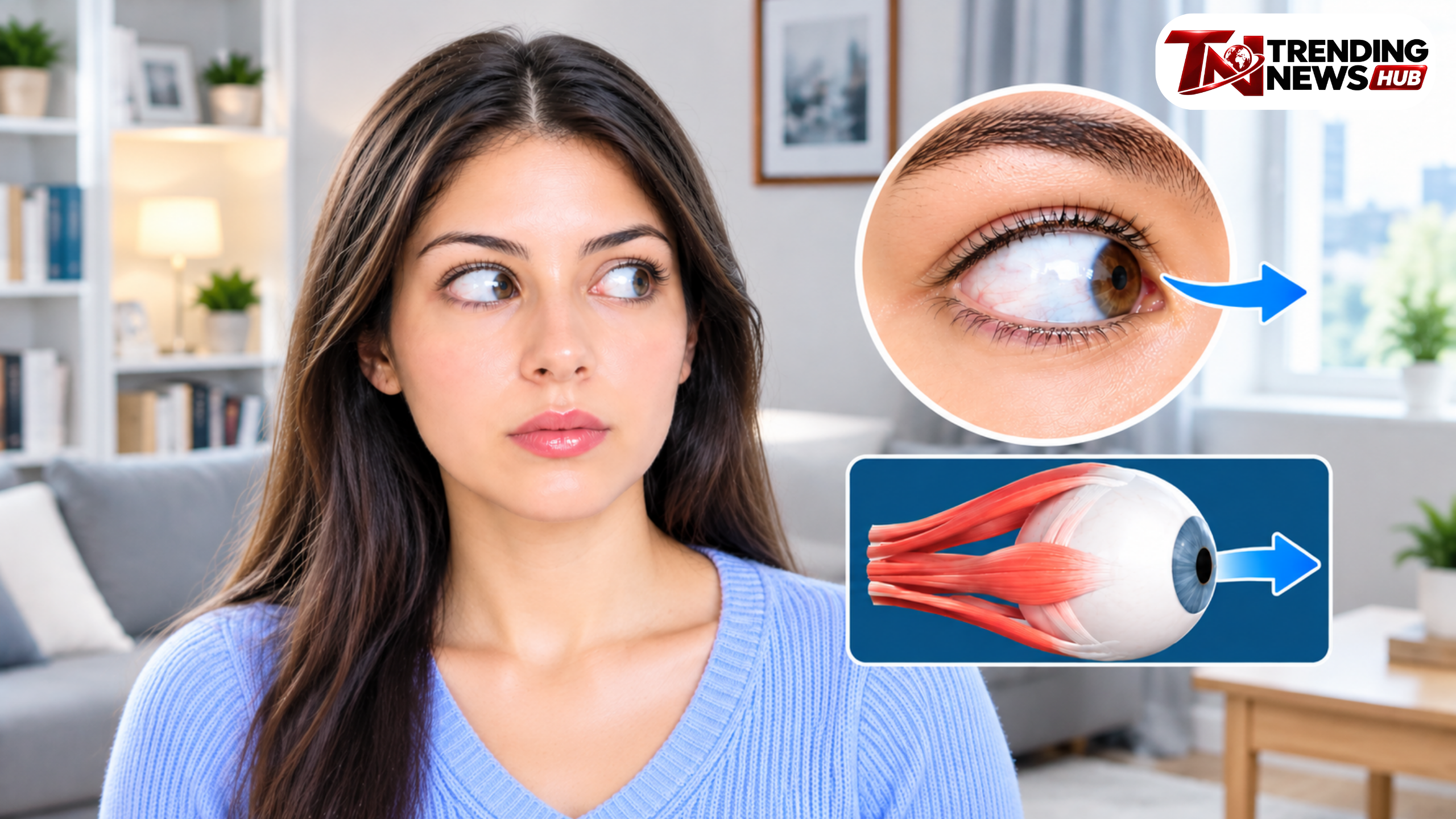
If one eye sometimes moves towards the ear, you may wonder if something is wrong. This is often called exotropia. It is a type of squint in which one eye or both eyes turn outward instead of looking straight ahead. It can happen in children and adults, and an eye specialist can check what is causing it.
What does eye turning outward mean?
An outward-turning eye means that the eyes are not pointing at the same place at the same time. One eye may look straight while the other eye moves outward. Sometimes the eye turns out only for a few seconds. In other cases, the eye may stay out most of the time.
The medical name is exotropia. It is a form of strabismus, also called a squint. The opposite problem is esotropia, where an eye turns towards the nose.
- One eye turns towards the ear
- Both eyes may turn outward
- The eye turn may come and go
- The problem may affect children or adults
A photograph does not always show the true position of the eyes. Some children only look as if one eye is turning because of the shape of the eyelids or nose. This is called pseudostrabismus. An eye examination is needed to tell the difference.
Types of exotropia
Exotropia does not look the same in every person. The eye may turn outward at certain times or may remain out of line. Knowing the type can help an eye specialist choose the right care.
Intermittent exotropia
With intermittent exotropia, the eye turns outward sometimes but looks straight at other times. It may be easier to notice when the person is tired, unwell, daydreaming or looking into bright light.eyewiki.aao+1
- The eye turns out for a short time
- The eye may look straight again
- Tiredness may make it easier to notice
- It may happen during distance viewing
Constant exotropia
With constant exotropia, one eye remains outward most or all of the time. A constant eye turn should be checked, especially in a baby or young child.
Distance exotropia
Distance exotropia mainly appears when a person looks at something far away. The eyes may look straighter when the person reads or looks at something close. NHS patient information describes this as an outward eye turn that is mainly seen during distance viewing.
Sensory exotropia
Sensory exotropia may happen when one eye has poor vision. When the eyes do not see equally well, they may not work together properly. AAPOS lists sensory exotropia as one type that can develop later in life.
Exotropia causes
There is not always one clear cause. Exotropia can be linked to the way the eyes, eye muscles and brain work together. It can also be linked to weak vision in one eye or a family history of squint.
Possible causes include
- Family history of strabismus
- Poor vision in one eye
- Different eye muscle control
- Difficulty using both eyes together
- An eye turn that began in childhood
- An eye injury or other eye problem
A family history does not mean that a child will definitely develop exotropia. It only means the chance may be higher. The American Optometric Association explains that eye misalignment can involve the eye muscles, the nerves that control them or the brain’s control of eye movement.
Some people develop an outward-turning eye without a known cause. This is why an eye test is important. It can show whether the eye turn is connected to vision, eye movement or another health problem.
Exotropia symptoms
The most obvious sign is one eye turning outward. However, not everyone notices the eye turn. Some people only see it in photographs, in bright light or when the person is tired.
Possible symptoms include
- One eye turns outward
- Blurred vision
- Double vision
- Headaches
- Eye strain
- Closing one eye in bright light
- Turning the head to see
- Difficulty judging distance
- No noticeable symptoms
Some children do not complain because they learn to use one eye more than the other. This can hide the problem. NHS patient information lists blurred vision, double vision, headaches and no symptoms as possible features of exotropia.
Do not assume that every person with exotropia will have pain. Many people have no pain at all. Pain, sudden double vision or a sudden new eye turn needs medical advice.
Video Guide
Why does an eye turn outward when tired?
An eye may turn outward when a person is tired because it can become harder to keep both eyes working together. This is common in people with intermittent exotropia. The eye may also drift outward when the person is ill, daydreaming or looking into bright sunlight.
Tiredness may not be the original cause. It may simply make an existing eye turn easier to see.
- The eye may drift during tiredness
- The eye may turn out during daydreaming
- Bright light may make the turn clearer
- Looking far away may reveal the problem
If the eye is turning outward more often, arrange an eye examination. A change in how often the eye turns can be important.
Eye turning outward in children
A child may not know that an eye is turning outward. They may not complain about blurred or double vision. Instead, parents may notice the eye drifting in photographs, in sunlight or when the child is tired.
A child may also close one eye, turn their head or lose focus while reading or looking at distant objects. The NHS advises parents to seek advice if a child has a squint that comes and goes or remains present.
Arrange an eye test if
- A child’s eye turns outward often
- The eye turn is always present
- The child closes one eye in sunlight
- The child turns their head to see
- The child reports double vision
- The parent is worried about vision
Early assessment can show whether the child has a true squint, a false appearance or reduced vision in one eye. It also helps the specialist decide whether the child needs monitoring or treatment.
Eye turning outward in adults
A new outward-turning eye in an adult should be checked. Adults may notice the problem because of double vision, eye strain or a change in the appearance of the eyes.
Possible adult symptoms include
- A new eye turn
- Double vision
- Eye fatigue
- Headaches
- Poor depth perception
- Difficulty focusing
- A worsening eye turn when tired
Moorfields Eye Hospital lists fatigue, double vision, difficulty with near vision and loss of three-dimensional vision among possible adult squint problems.
Seek urgent help if double vision starts suddenly, especially if it comes with eye pain. Sudden double vision can need urgent medical assessment.
How is exotropia diagnosed?
An eye specialist does more than look at whether an eye appears to turn outward. They check how the eyes see, move and work together.
The examination may include:
- Testing each eye separately
- Checking near vision
- Checking distance vision
- Covering one eye at a time
- Watching the eye movements
- Measuring the eye turn
- Checking three dimensional vision
- Asking about family history
An orthoptist may use a cover test to see what happens when one eye is covered. The specialist may also check whether one eye has weaker vision.
A phone photograph cannot diagnose exotropia. It may show a useful pattern, but it cannot replace an eye examination.
Exotropia treatment
The treatment depends on the person’s age, vision, eye control and how often the eye turns outward. Some people need regular checks only. Others may need glasses, patching, exercises, prisms or surgery.
Possible treatments include
Monitoring
Some people have a small or occasional eye turn that they control well. In these cases, the eye specialist may recommend regular check ups. NHS information says that some children do not need immediate treatment and can be monitored.
Glasses for exotropia
Glasses may help if a focusing problem affects how the eyes work together. They do not correct every case of exotropia. The prescription should come from a qualified eye professional.
Patching
Patching may be used for some children when one eye has weaker vision. The stronger eye is covered for a planned amount of time so the weaker eye can be used more. Patching should be guided by an eye specialist.
Eye exercises
Exercises may help selected people, especially when the eyes have trouble turning towards each other for close work. They are not a guaranteed cure for every outward eye turn. AAPOS describes convergence exercises for some cases of convergence insufficiency.
Prisms
Prism lenses may help some people with double vision or eye strain. They change the path of light entering the eye. They are not suitable for every person.
Surgery
Surgery may be considered when the eye turns outward often, control becomes poor or symptoms continue. Eye-muscle surgery changes the position or strength of selected eye muscles to improve alignment.
NHS information lists monitoring, glasses and surgery among possible treatment choices. The need for surgery depends on the examination and the effect of the eye turn on vision and daily life.
Can exotropia be treated without surgery?
Yes, some people can be treated or managed without surgery. The options may include observation, glasses, patching, prisms or exercises in selected cases.
However, non-surgical treatment is not right for everyone. If the eye turns outward often, becomes difficult to control or causes ongoing double vision, an ophthalmologist may discuss surgery.
No home exercise can guarantee that every outward-turning eye will become straight. Do not stop prescribed treatment or use an eye patch without professional advice.
When should you see an eye specialist?
Arrange an eye examination if an eye turns outward repeatedly or if the eye turn is becoming more noticeable.
You should seek advice when
- One eye turns outward often
- A child develops a new squint
- An adult develops a new eye turn
- Vision seems weaker in one eye
- Double vision continues
- Headaches or eye strain continue
- The eye turn affects school or daily life
Get urgent help if double vision begins suddenly, particularly with eye pain. Also seek emergency help for a sudden eye turn with severe headache, weakness, confusion or other sudden neurological symptoms. The NHS advises urgent assessment for sudden double vision and medical advice for a squint that develops later in life.
Frequently asked questions
What is an eye turning outward called?
An eye turning outward is usually called exotropia. It is a type of strabismus in which one or both eyes turn away from the nose.
Why does one eye turn outward when I am tired?
Tiredness can make intermittent exotropia easier to notice. The eye may briefly lose control and move outward. This can also happen during illness, daydreaming or distance viewing.
Can exotropia be treated?
Yes. Treatment may include monitoring, glasses, patching, prisms, exercises in selected cases or surgery. The correct choice depends on the examination results.
Can glasses help an outward-turning eye?
Glasses may help when a focusing problem affects eye control. They do not straighten every outward-turning eye, so an eye specialist should assess the problem.
Is surgery always needed for exotropia?
No. Some people only need observation or non-surgical treatment. Surgery may be considered when the eye turn is frequent, difficult to control or causing ongoing symptoms.
Medical note
This article explains common information about an outward-turning eye. It does not diagnose or treat anyone. If you or your child has a new, worsening or frequent eye turn, arrange an assessment with an optometrist or ophthalmologist. Seek urgent help for sudden double vision, especially when it occurs with eye pain.