Short Overview
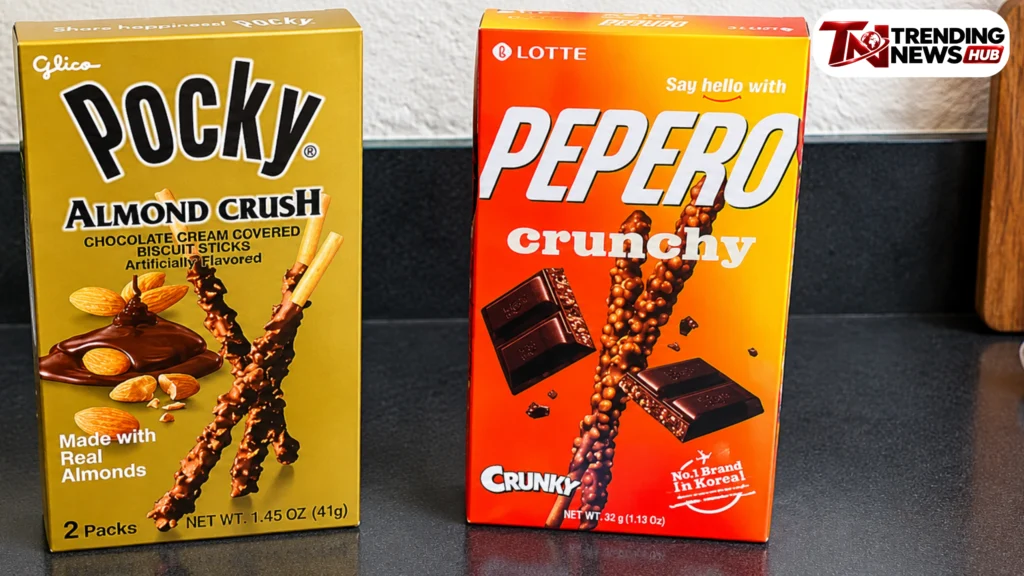
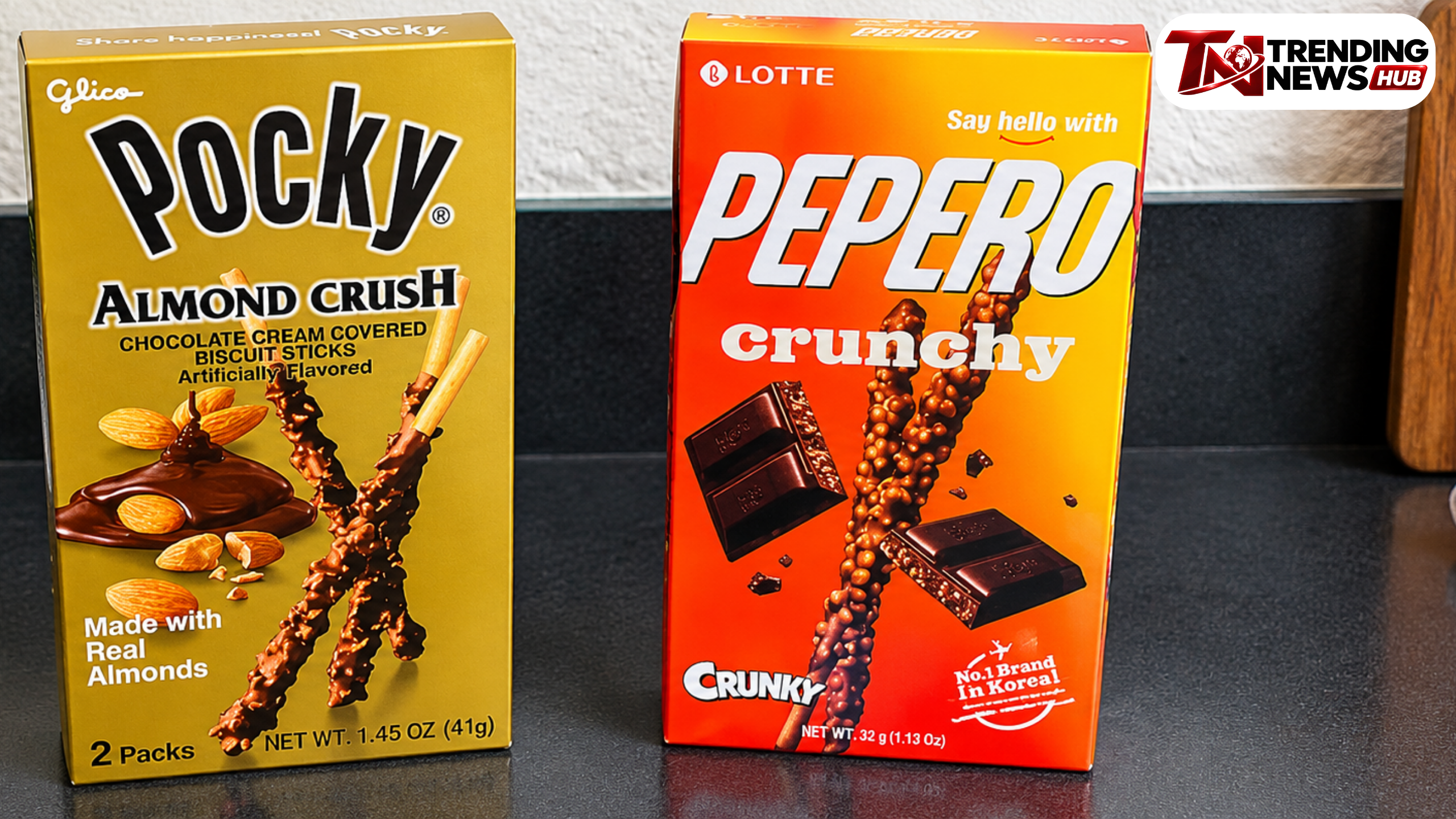
TogglePocky and Pepero look like snack twins: long biscuit sticks with a tasty coating and a bare end to hold. But they are not the same product. One began in Japan, the other in South Korea, and their flavours and feel can differ. Here’s a clear guide to what is known—and what comes down to personal taste.
A quick look at both snacks
Pocky and Pepero are separate snack brands made by different companies. Both sell biscuit sticks with coatings such as chocolate, but the exact product can change by flavour and country. The table gives the simplest confirmed comparison: Glico dates Pocky to 1966, while the reviewed sources date Pepero to 1983.glico+1
- Pocky is made by Glico
- Pepero is made by Lotte
- Pocky began in Japan
- Pepero began in South Korea
- Both come in different flavours
| Overview | Pocky | Pepero |
| Brand owner | Glico | Lotte |
| Country of origin | Japan | South Korea |
| First sold | 1966 | 1983 |
| Basic snack | A coated biscuit stick | A coated biscuit stick |
What are Pocky and Pepero?
Both are long, crunchy snack sticks with a flavoured coating. The uncovered end gives you a place to hold each stick. Pocky’s maker says this handle was part of the idea behind the snack: the bare end lets people hold it without touching the coating.glico
The snacks may look alike, but they are not simply two names for one product. Pocky belongs to Glico, while Pepero belongs to Lotte. Their products may use different recipes, shapes and coatings, depending on the version. Always check the packet if you want exact ingredient or nutrition details.
- Both are stick-shaped snacks
- Both can have a chocolate coating
- They are made by different companies
- Their products can vary by flavour
Where did Pocky begin?
Glico’s product history lists Pocky in 1966. The design solved a small but useful problem: the biscuit stick could be held at its uncovered end, so fingers did not need to touch the coating. That neat handle is one reason the snack is easy to share and eat.glico
Pocky now comes in different flavours. Glico’s history records almond Pocky in 1971 and strawberry Pocky in 1976. Those dates are useful history, but they do not tell you which flavours are sold in every country today.
- Pocky began in 1966
- Glico makes Pocky
- The bare end works as a handle
- Flavours can vary by country
Where did Pepero begin?
Pepero is Lotte’s Korean biscuit-stick snack. The comparison sources reviewed for this article date its first sale to 1983, which was after Pocky’s launch.
Pepero has many varieties, but the names and availability can differ between shops and countries. A snack shop, for example, may stock versions that are not easy to find elsewhere. So it is better to check the local packet or retailer listing than assume every Pepero flavour is sold everywhere.
- Pepero began in 1983
- Lotte makes Pepero
- Pepero began in South Korea
- Available flavours can vary
What is the difference between them?
The clearest differences are their makers, origins and histories. Pocky is from Glico in Japan and dates to 1966. Pepero is from Lotte in South Korea and dates to 1983. Both are coated biscuit sticks, but that does not mean they taste or feel exactly the same.
Beyond those facts, be careful with sweeping claims. Some reviewers describe one brand as crunchier, sweeter or more heavily coated, but one person’s tasting is not proof that every product from that brand has the same texture or flavour. The version in your hand matters.
- Pocky is Japanese
- Pepero is Korean
- They have different brand owners
- Taste and texture depend on the version
Video Guide
Pepero vs Pocky taste
There is no single taste answer that will suit everyone. In one published side-by-side tasting, the tester found Pocky’s chocolate flavour more noticeable, while Pepero tasted milder and sweeter to them. That is one person’s impression—not a rule for every flavour, recipe or market.
A Reddit discussion shows how personal the choice can be. One commenter preferred Pocky’s light biscuit and not-too-sweet chocolate, while another liked Pepero’s thicker coating. These comments are useful examples of different preferences, but they are not a formal or representative taste test.
- Some tasters notice stronger chocolate in Pocky
- Some people prefer Pepero’s thicker coating
- Your own taste may be different
- Compare the same flavour for a fair test
Pepero vs Pocky texture
A published tasting described its Pocky stick as thinner, longer and crunchier than the Pepero it tried. That can help you know what one tester noticed, but it should not be treated as a fixed difference across all versions. Different flavours or product batches may feel different.
When you compare the two, notice the biscuit and coating separately. Is the biscuit crisp or firm? Does the coating feel thin or thick? Does it melt quickly, or stay crunchy? Those simple questions make it easier to describe what you notice without claiming everyone will taste the same thing.
- Notice the biscuit crunch
- Notice how thick the coating feels
- Try matching flavours
- Describe your own experience
What about the original chocolate flavour?
The original chocolate versions are a sensible place to start because they make a simple comparison. Each pairs a biscuit stick with a chocolate coating. But product names and recipes may vary, so check the packet to make sure you are comparing the classic versions sold where you live.
Try one stick of each at room temperature. Take a small bite, then pause. Think about the biscuit, chocolate taste, sweetness and how the coating feels. There is no need to declare a winner: the point is to notice which one you enjoy more.
- Start with the classic chocolate versions
- Compare one stick from each
- Notice biscuit and coating separately
- Choose the one you enjoy
What ingredients do they use?
There is no single ingredient list for every Pocky or Pepero product. Ingredients can change with flavour, recipe and country. Retailer listings for particular products include ingredients such as wheat flour, sugar, cocoa and milk ingredients, but those details should not be treated as a universal recipe for either brand.
If you have an allergy or need to avoid an ingredient, use the label on the exact packet you plan to eat. Do not rely on a general comparison article for allergy advice. Product labels are the right place to check ingredients and allergen statements.
- Check the exact packet
- Ingredients can change by flavour
- Recipes can vary by country
- Read the allergen information
What flavours can you find?
Both brands offer more than one kind of snack, but the range depends on where you shop. Glico’s history records almond Pocky in 1971 and strawberry Pocky in 1976. These are historical milestones; they do not promise that those products—or every other flavour—are available in your local shop now.
For a fair taste test, compare like with like. Original chocolate against original chocolate is easier to judge than chocolate Pocky against an almond-coated Pepero. If you want to try unusual versions, make it a fun tasting rather than a strict brand contest.
- Flavours vary by location
- Pocky has a long flavour history
- Match flavours for a fair comparison
- Check shops for current availability
Which one is better?
There is no winner for everyone. A reviewer in a 2020 article said the taste difference was hardly noticeable to them and described the choice as personal. A Reddit discussion also showed different preferences, including praise for Pocky’s biscuit and Pepero’s coating. These are opinions, not measured results.
Choose the one that suits your taste. If you like a lighter biscuit or want to try the Pocky described in the published tasting, start there. If you are curious about a thicker coating or a particular Pepero flavour, try that. The most useful answer is the one based on the exact products you taste.
- Pick the taste you enjoy
- Try both before choosing
- Compare the same flavour
- Do not treat one review as everyone’s opinion
How to do a simple taste test
You can compare the snacks at home with a small, fair test. Choose the same flavour if you can, such as original chocolate. Use fresh packets, try one stick from each, and take a sip of water between bites. If the flavours are different, say so; it is not a direct comparison.
If you write about your own test, be clear about what you tried. Name the flavours, say where you bought them if that matters, and describe your own impressions. Do not say you tested products you have not tasted. Google’s guidance for helpful content values clear sourcing and accurate descriptions of how reviews or tests were done.
- Choose matching flavours
- Taste one stick at a time
- Write down what you notice
- Say exactly what you tested
Frequently asked questions
Are Pepero and Pocky the same?
No. They are similar kinds of coated biscuit sticks, but they are different brands made by different companies.
Which came first, Pocky or Pepero?
Pocky came first. Glico dates Pocky to 1966, and the comparison source dates Pepero to 1983.
Which tastes better, Pepero or Pocky?
That depends on the person and the product. A published tasting and reader comments show different preferences, not one answer that is right for everyone.
Is Pepero crunchier than Pocky?
You cannot say that is always true. One taste test described the Pocky it tried as crunchier, while individual products and flavours may differ.
Do both brands make flavours other than chocolate?
Yes, but what is available depends on the product and location. Glico’s history records almond and strawberry Pocky; check local listings for what is currently sold.
The simple answer
Pocky and Pepero are similar snacks, but they come from different brands and countries. Pocky began in Japan in 1966, and Pepero began in South Korea in 1983. Their taste and texture can vary by product, so the fairest way to choose is to try the same flavour from each and decide which one you like.